Land Clearing
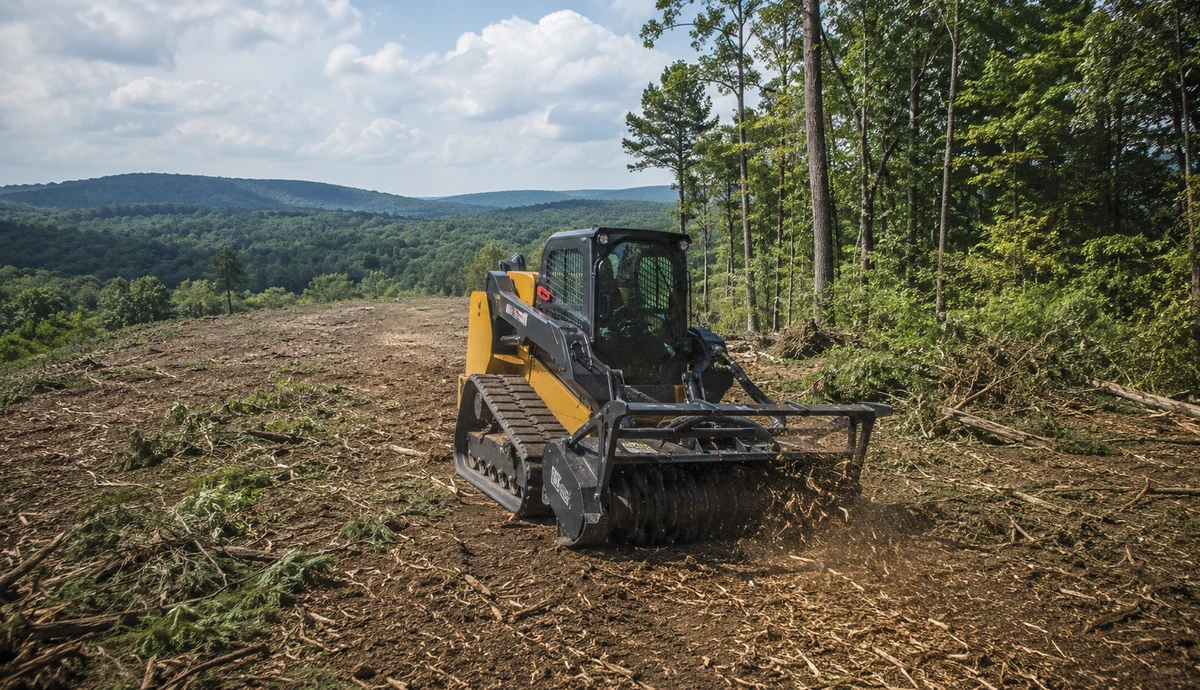
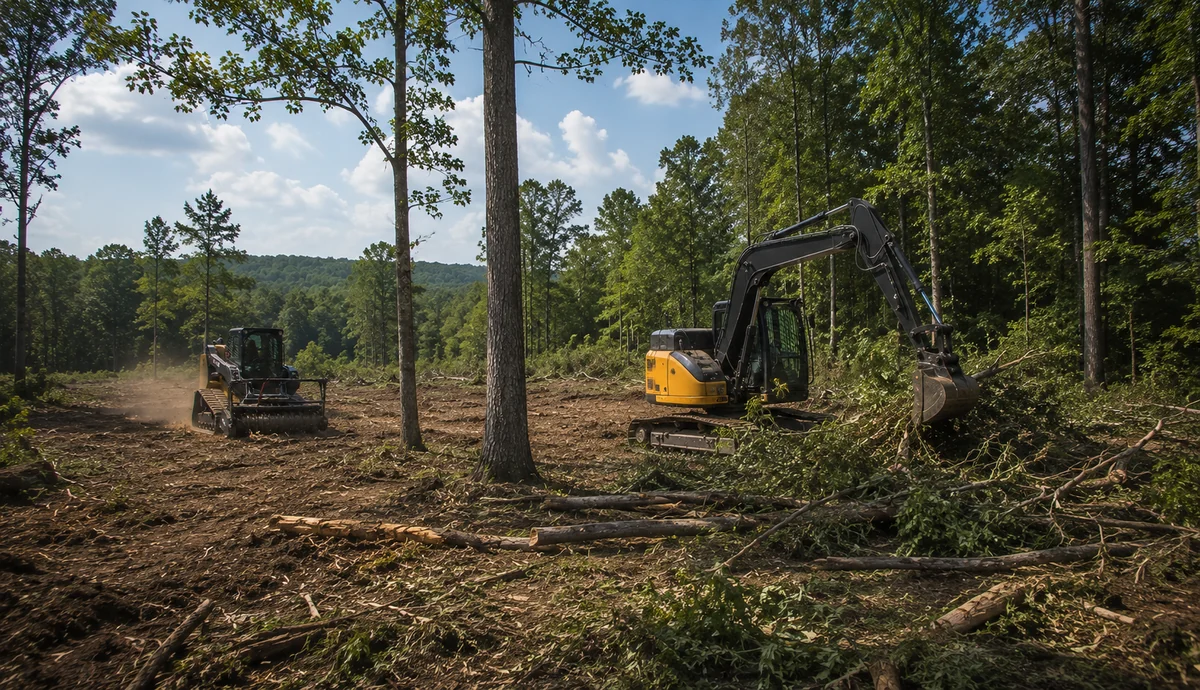
Clear trees, brush and unwanted vegetation for property access, construction, farming, development or land improvement.
Land Clearing in Cookeville →Upper Cumberland Property Clearing
Request clearing for overgrown acreage, wooded lots, pastures, fence lines, trails, building sites and rural property throughout Cookeville and the Upper Cumberland region.
Explore clearing options for rural acreage, homesites, farms, wooded lots, overgrown property and future construction.
Clear trees, brush and unwanted vegetation for property access, construction, farming, development or land improvement.
Land Clearing in Cookeville →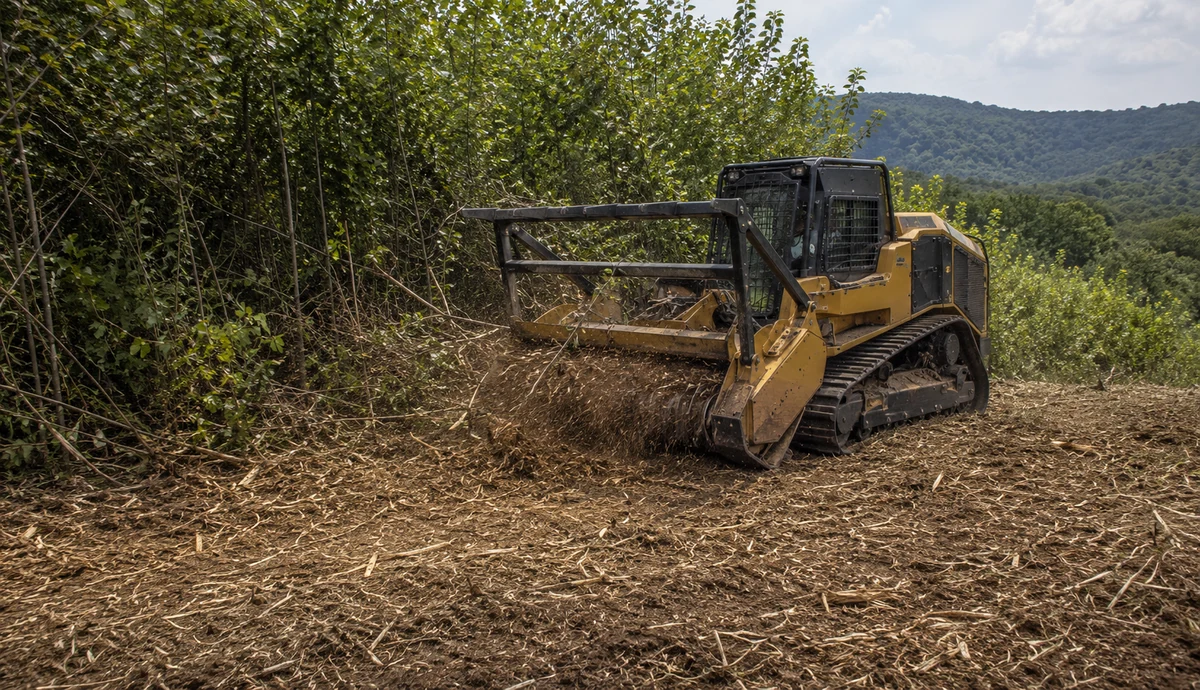
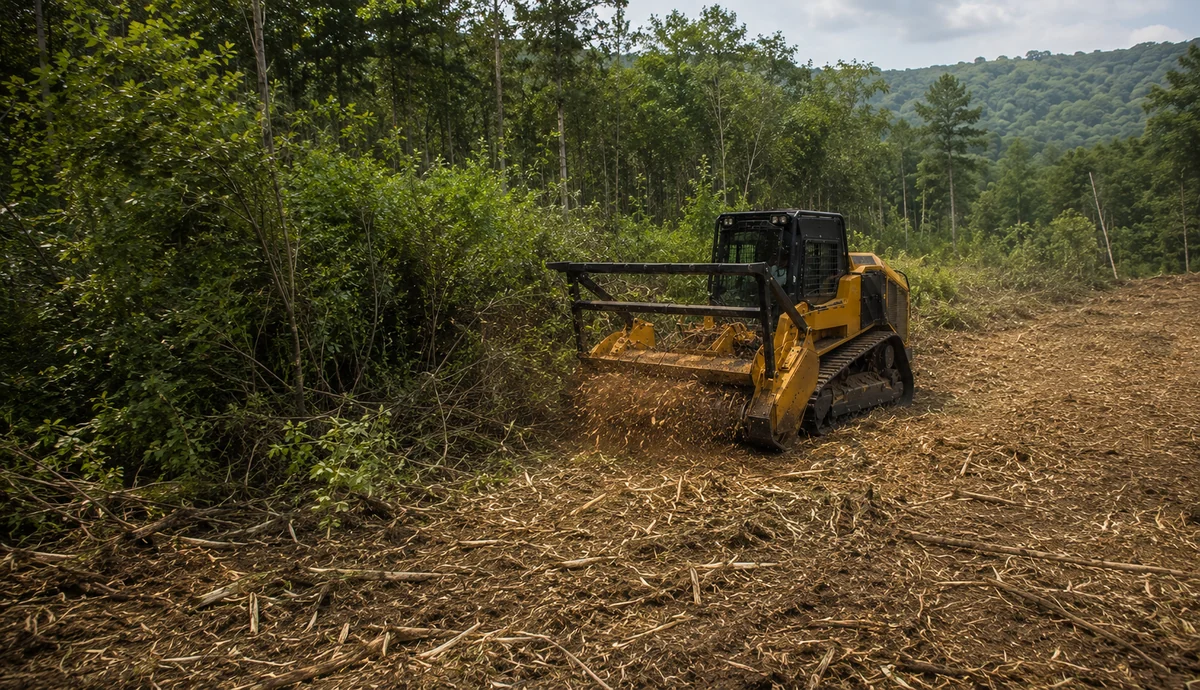
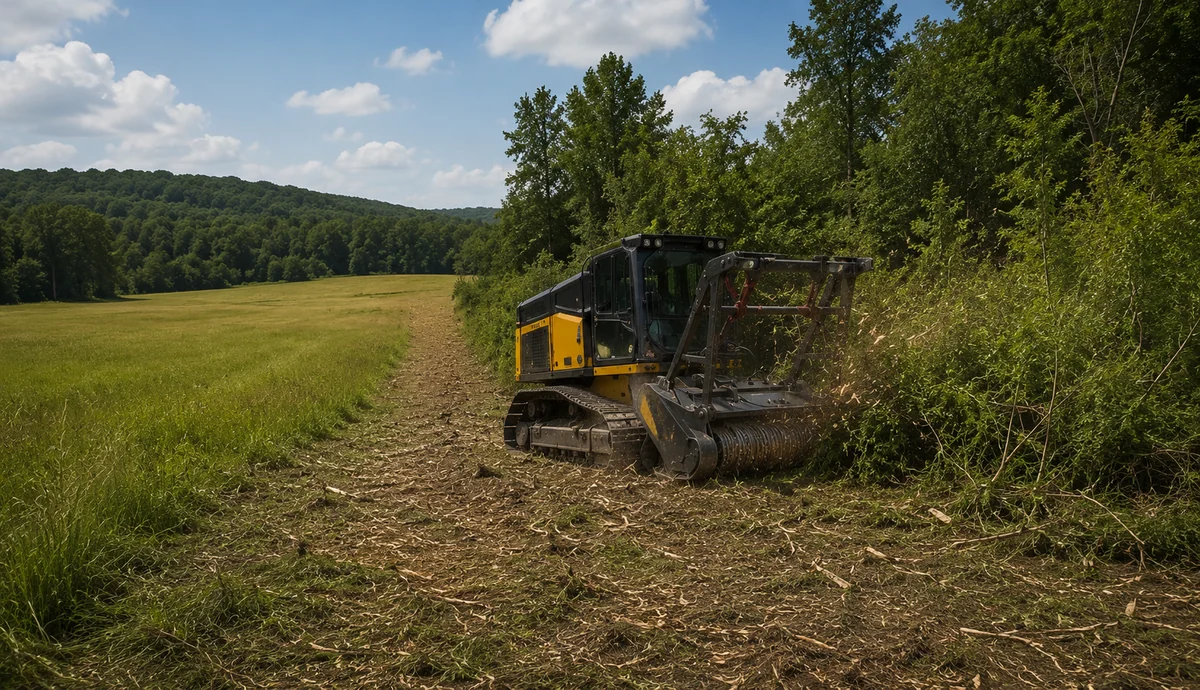
Reduce dense brush, saplings and unwanted vegetation into ground-level mulch with less hauling and fewer debris piles.
Forestry Mulching in Cookeville →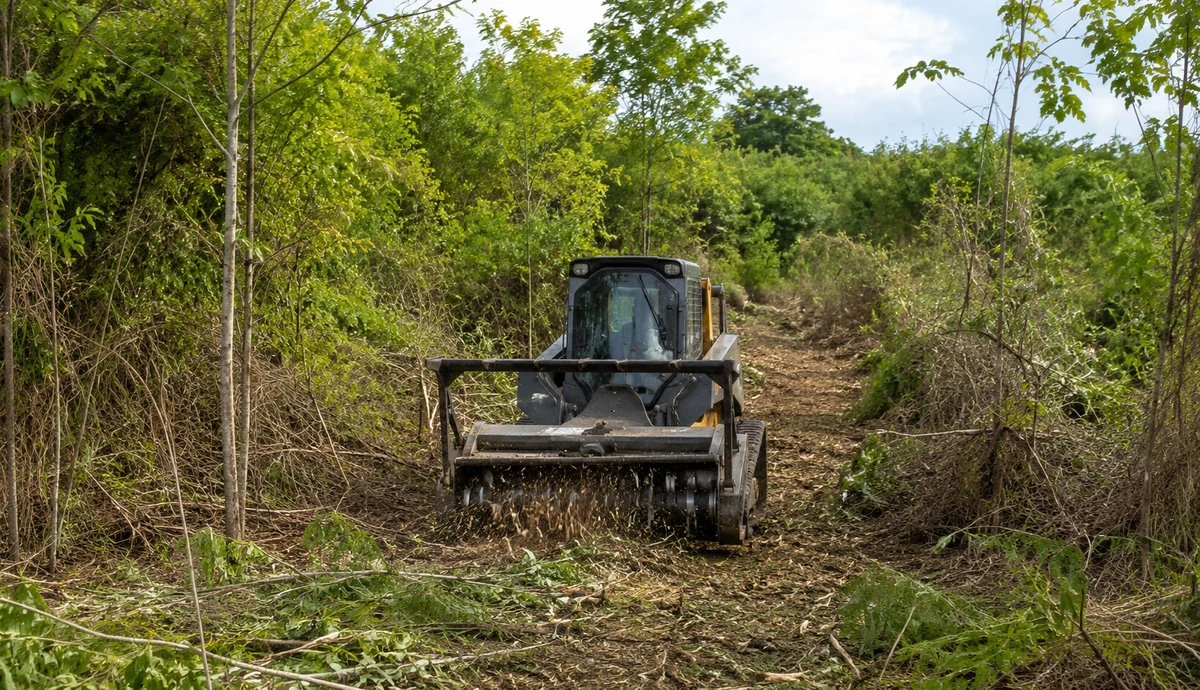
Reclaim overgrown property, improve visibility and create access through dense brush, vines, saplings and undergrowth.
Brush Clearing in Cookeville →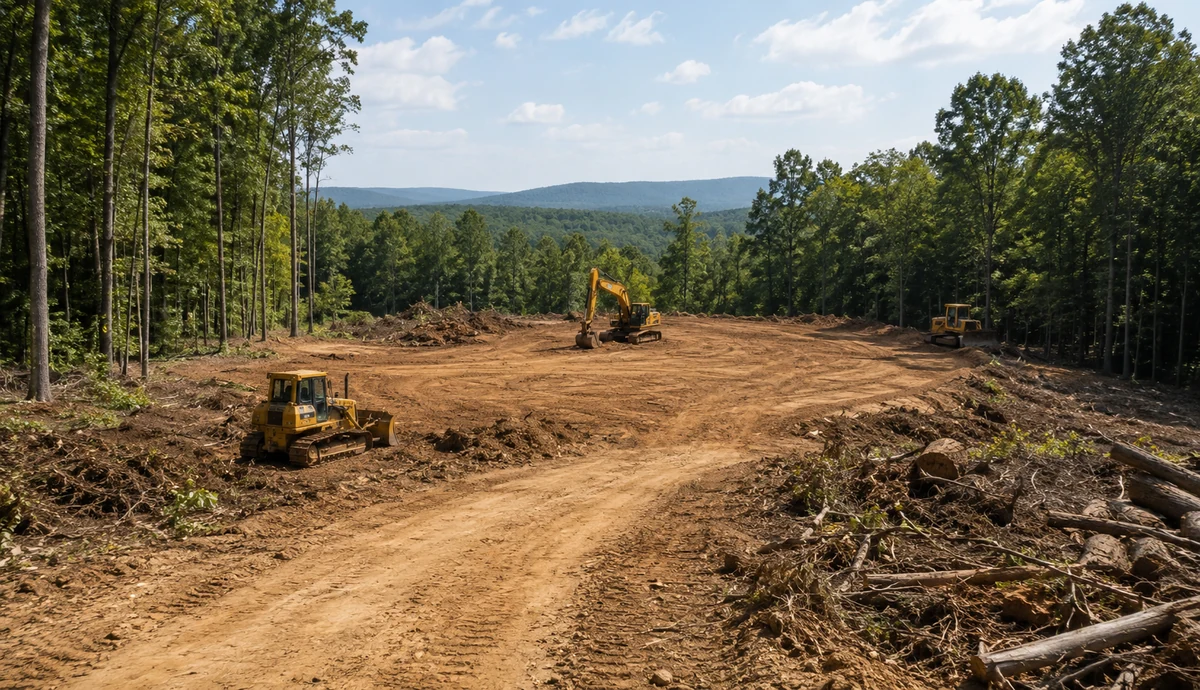
Prepare residential and rural lots for building, utilities, access roads, property improvements or future use.
Lot Clearing in Cookeville →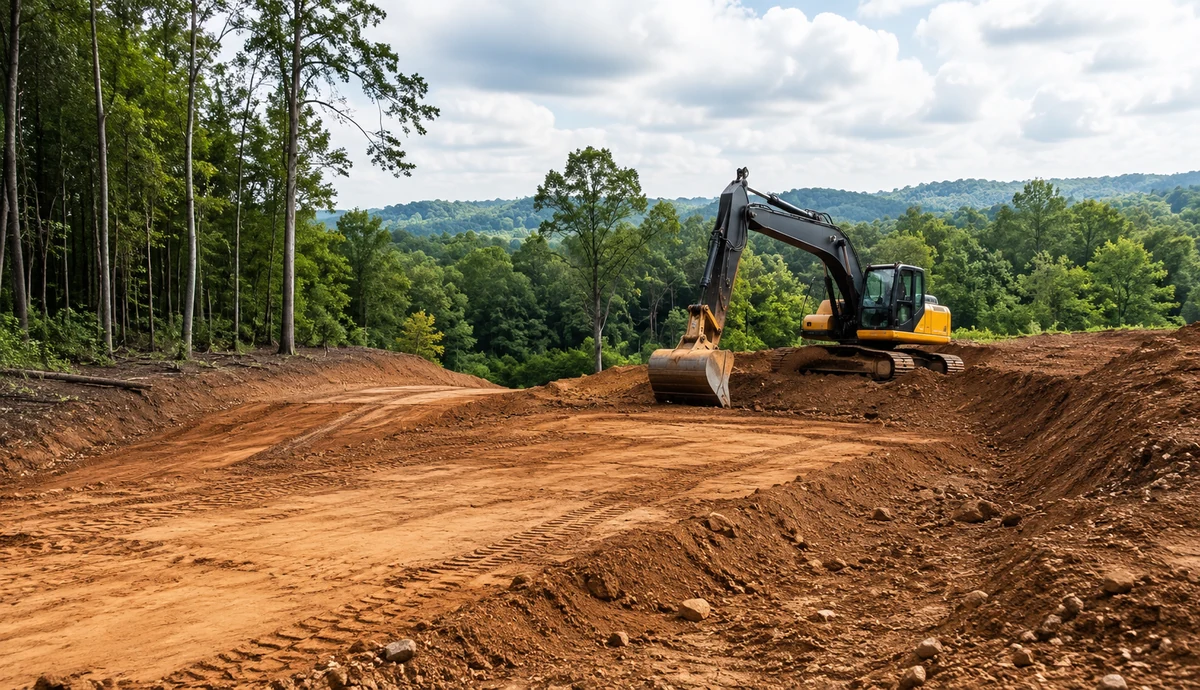
Request clearing and related preparation for construction areas, driveways, drainage work and usable ground.
Excavation, Grading & Site Prep →Your request was submitted successfully. If the project can be reviewed, you will be contacted to discuss the property and next steps.
Clear and prepare the footprint for a home, cabin, barn or shop — including access for construction traffic.
Open up parcels that have grown shut with brush and saplings so the land can be walked, used and maintained.
Push cedar, briars and encroaching brush back off the field and return the ground to grazing or hay.
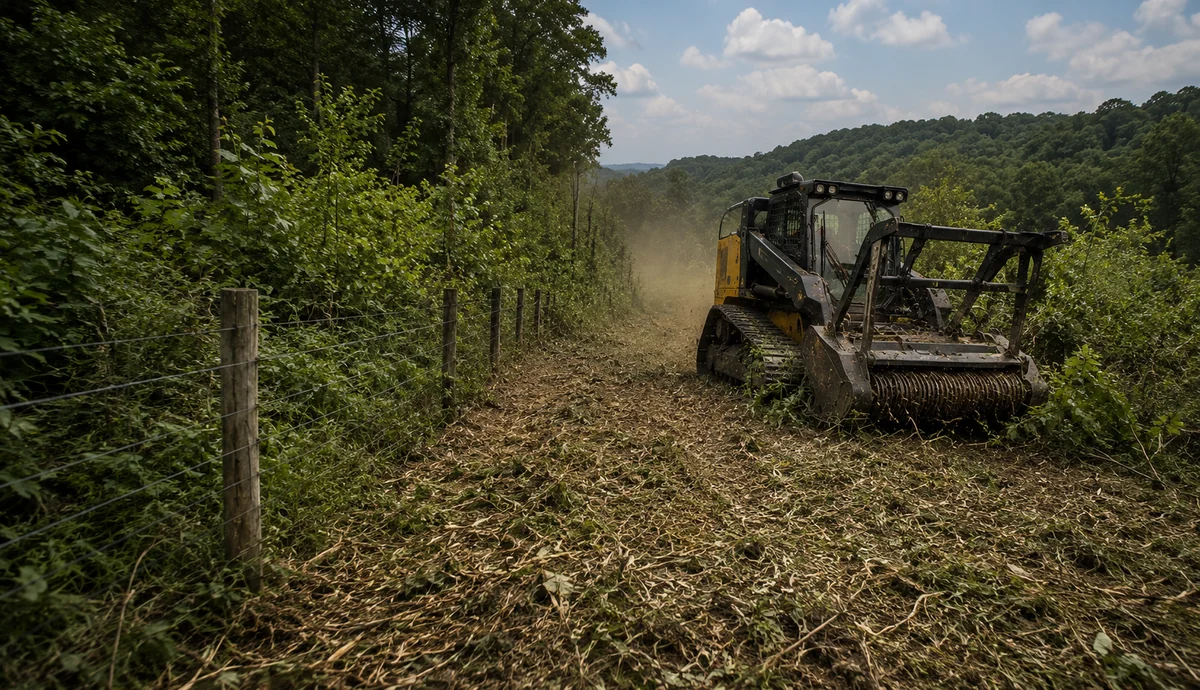
Clear corridors along boundaries and farm fencing so fence can be inspected, repaired or replaced.
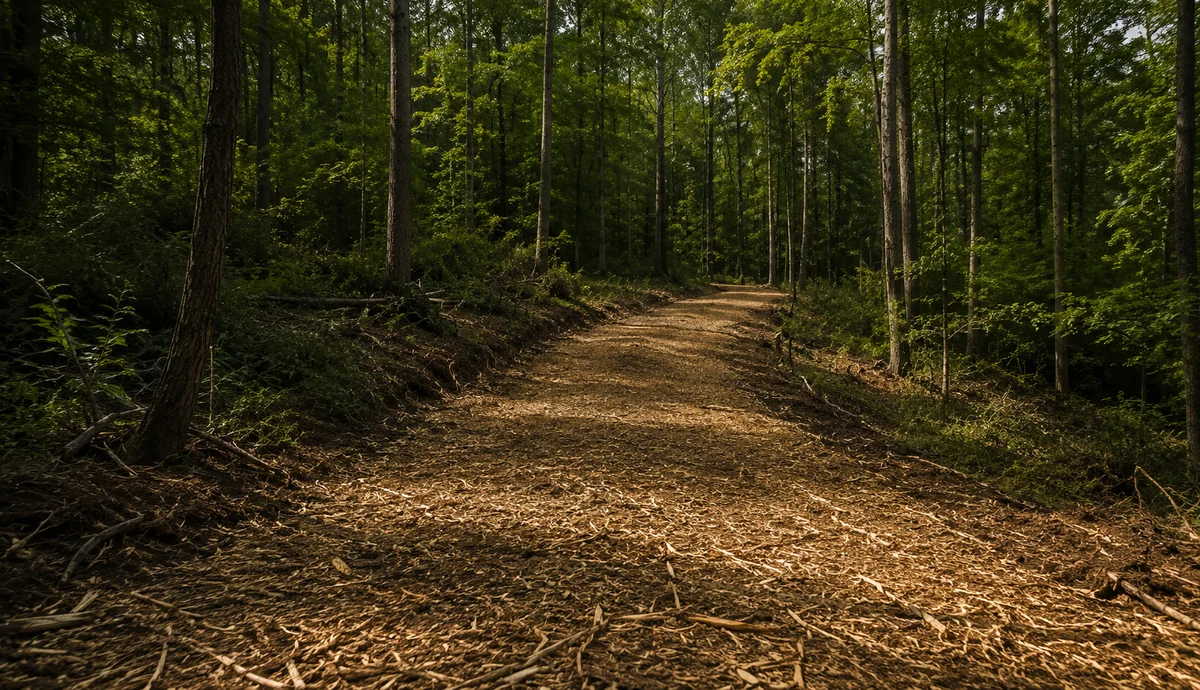
Cut trails and interior access routes through wooded ground for recreation, hunting and land management.
Clear vegetation, stumps and access around a planned pond footprint before excavation begins.
Open shooting lanes, stand access and food-plot areas without stripping the cover that makes the ground hunt.
General clearing that keeps a rural property usable — edges, lanes, old home sites and problem corners.
The most appropriate method depends on vegetation size, terrain, access, intended land use and the equipment available from the contractor.
Recover usable pasture from brush, saplings and encroaching vegetation.
Restore visibility and access around property boundaries, agricultural fencing and utility corridors.
Create or reopen trails for property access, hunting, recreation and land management.
Request removal or clearing of unwanted trees, roots and stumps when the project requires more than surface mulching.
Clear access and vegetation around planned pond sites before excavation or construction work begins.
Service availability depends on project location, equipment requirements and contractor capability.
Submit your name, phone number and email through the quick request form — it takes under a minute.
When contacted, share the location, approximate acreage, vegetation, access and how you plan to use the land. Photos can be sent by text or email.
The project information is reviewed and may be routed to a local contractor whose equipment, availability and service coverage fit the request.
The contractor determines site access, equipment needs, project scope, scheduling and pricing.
Upper Cumberland Land Clearing is an independent project-request and referral service that helps connect property owners with local land-clearing contractors. Contractor availability, qualifications, service offerings, estimates, pricing and scheduling are determined by the contractor.
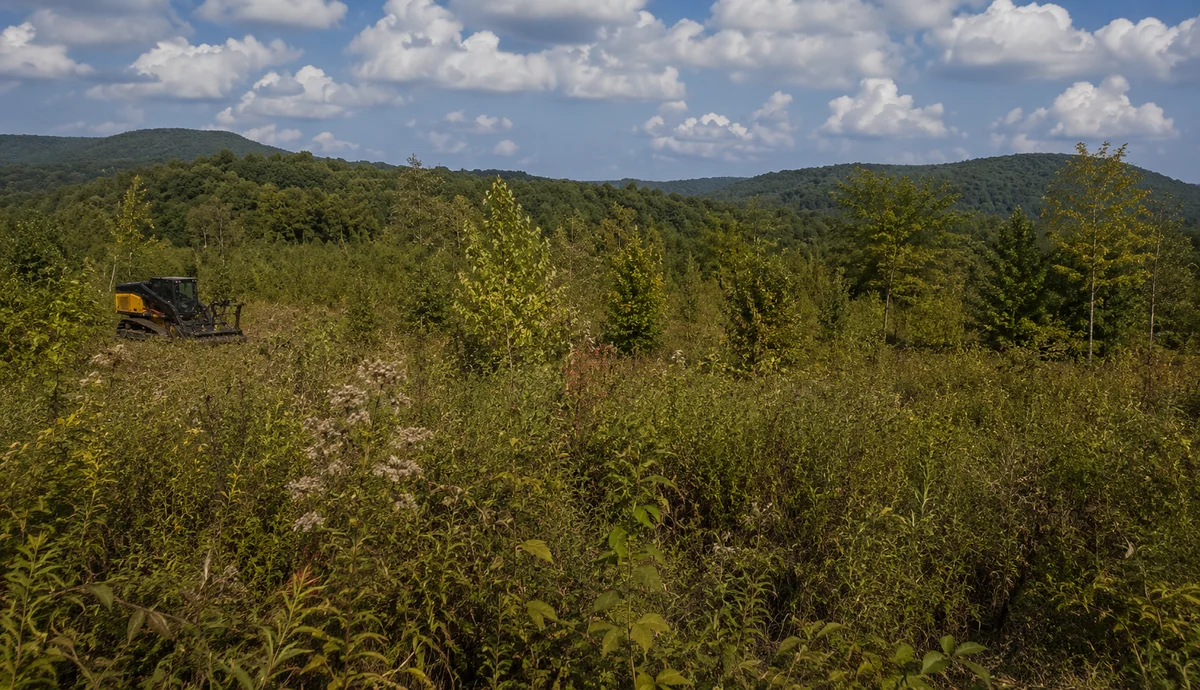
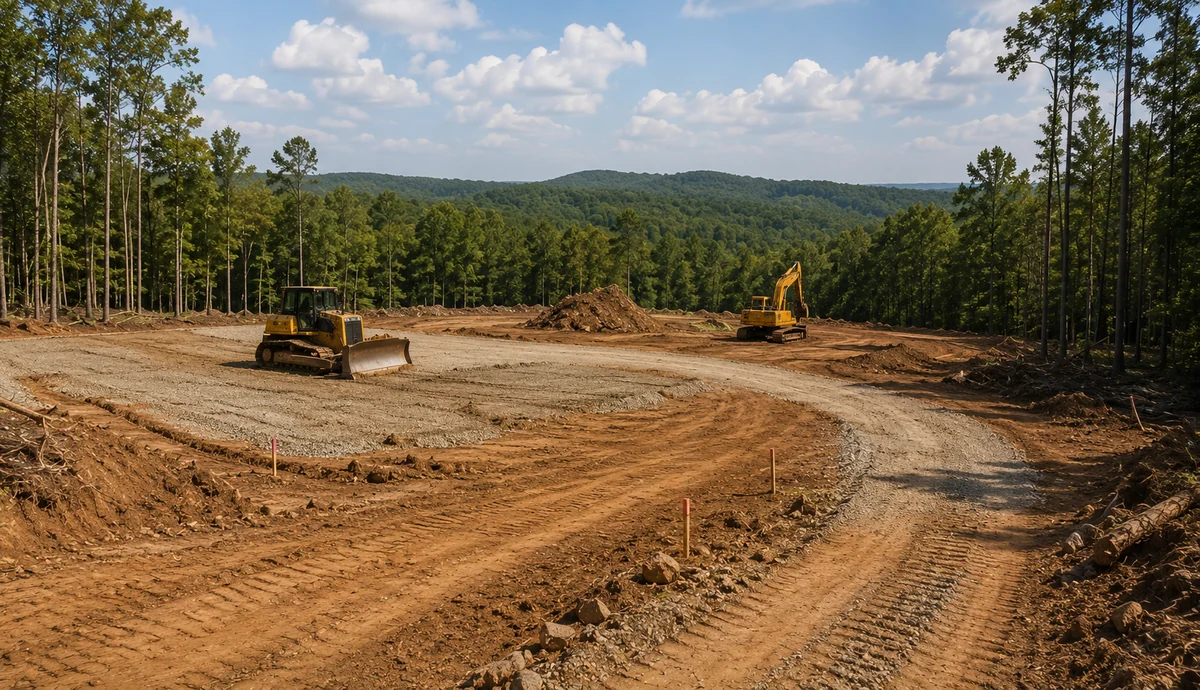
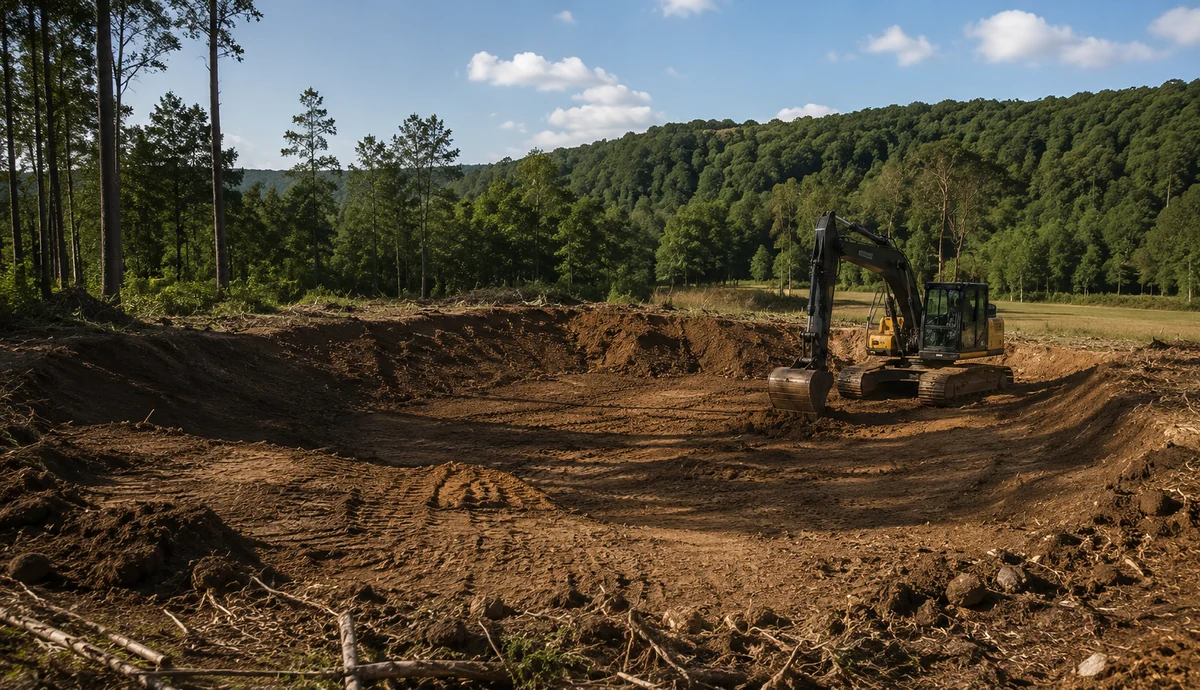
Property location, contractor coverage, access and project scope may affect availability. Submit the property address or nearest road to check whether a project can be reviewed.
Check Your Property LocationThere is no universal per-acre price. Cost depends on vegetation density and tree size, terrain, equipment access, total acreage, how debris is handled, and the finished condition the land needs. Two five-acre parcels can price very differently. Submitting the property details and photos lets a contractor give a number that reflects the actual site.
On suitable properties it can reduce hauling, burning and debris handling, which often helps overall cost. But suitability is the key word — heavy timber or projects that need stumps and roots removed may be better served by conventional clearing. Site conditions decide, not the method’s reputation.
It varies by machine, mulching attachment, tree species and terrain. Mulchers excel in brush and saplings; as diameters grow, production slows and some material calls for different equipment. A contractor needs to assess the actual vegetation — good photos go a long way.
Usually not. Mulching processes vegetation at or above ground level, so stumps are ground low but roots and below-grade wood remain. Ground headed for construction, ponds or septic work typically needs excavation to fully remove stumps and roots.
Often, but slope, soil, rock and moisture determine which equipment can work the ground safely and effectively — and some conditions limit what is practical. Describe the terrain honestly in the request and include photos of the challenging areas.
Depending on the project and the contractor: mulching in place, piling onsite, hauling away, burning where permitted, or salvaging usable timber and firewood. Debris handling meaningfully affects price, so state your preference when you submit the project.
It depends. Requirements can vary by county, municipality, project type, acreage, drainage and erosion considerations, and the land’s intended use. There is no one answer for the whole region — verify with the local authority for your property, and discuss it with the contractor reviewing the project.
Yes — those are the most common project types in this region. Each has different requirements: a homesite needs stump removal and pad preparation, pasture needs a mowable finish, trails need routed corridors, and ponds need full grubbing of the basin. Say what the land is for and the scope follows.
Wide enough for trucks, trailers and tracked equipment to enter and turn — with adequate overhead clearance and ground that supports the weight. Narrow gates, tight driveways and steep entrances do not necessarily stop a project, but the contractor needs to know about them in advance.
Anywhere from a day to several weeks. Acreage, vegetation density, terrain, access, weather windows, equipment on the job and the required finish all set the schedule. The contractor estimates duration after evaluating the specific property.
Share your contact details and you’ll be contacted to discuss where the property is, how much land is involved and what needs to be cleared.